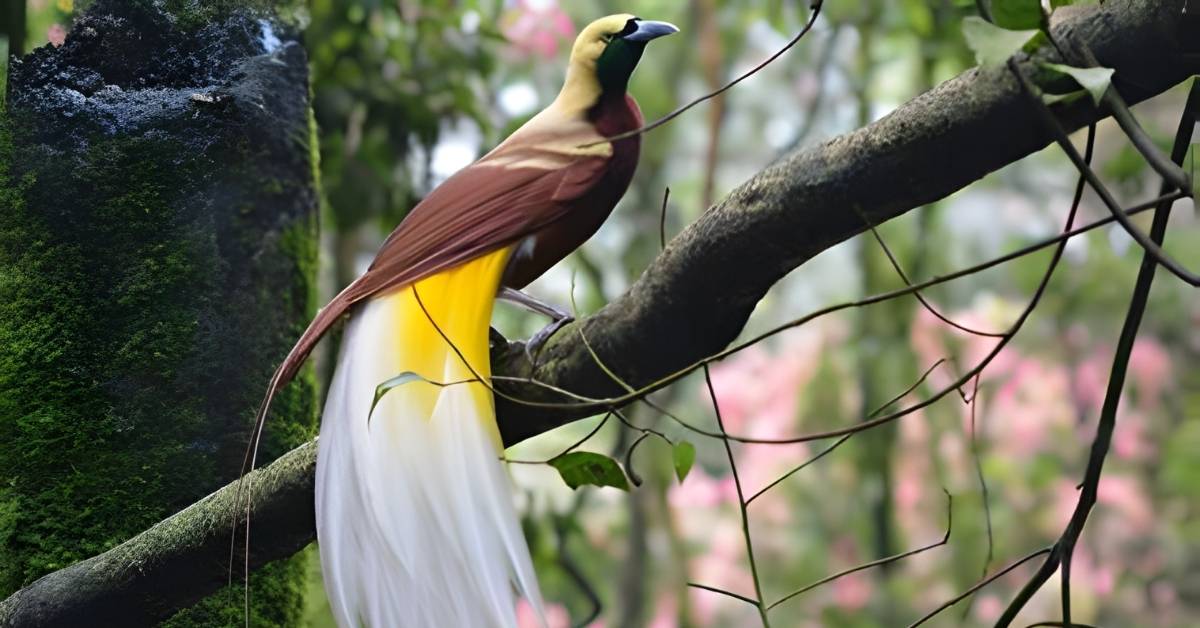








The twelve wired bird of paradise is one of the most eye-catching birds in the world. Found in New Guinea and nearby islands, this rare species is famous for its bright plumage and long wire-like feathers. People often call the twelve wired birds of paradise a living jewel of the rainforest because of its beauty. Its unusual look and courtship displays make the twelve wired bird of paradise a favorite subject in ornithology and wildlife studies.
The twelve wired bird of paradise isn’t just beautiful, it’s unique in behavior too. Males perform special dances using their twelve wires to impress females. This makes the twelve wired birds of paradise a symbol of nature’s creativity and evolution. Many visitors travel to see the twelve wired birds of paradise in its natural habitat, adding to its global fame.
Unique Physical Features
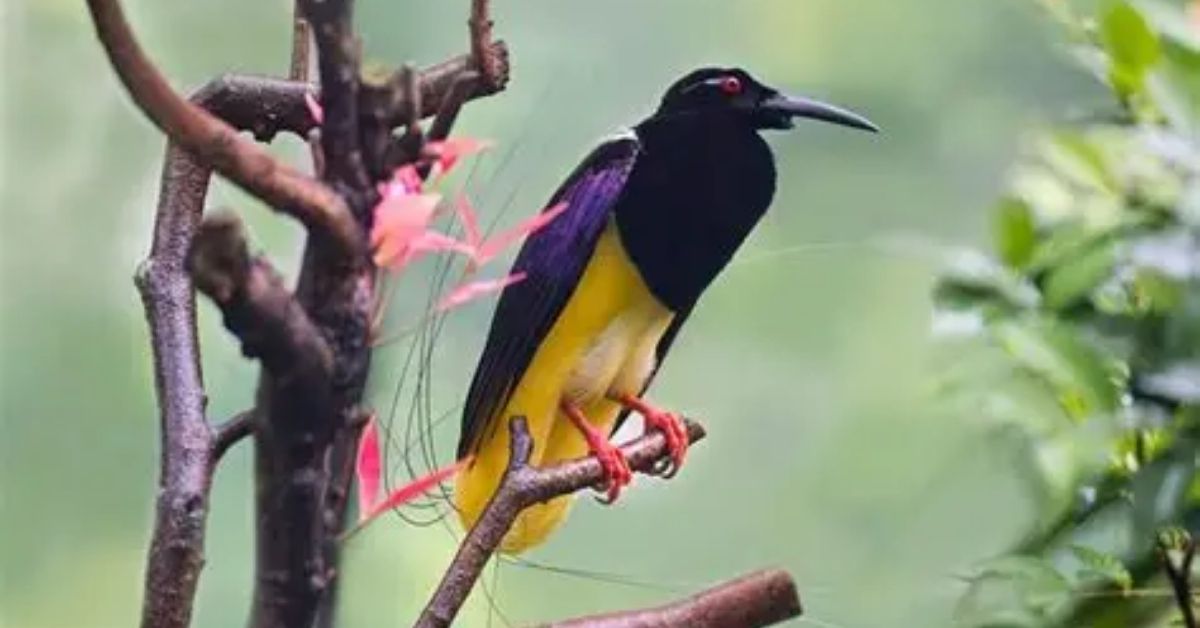
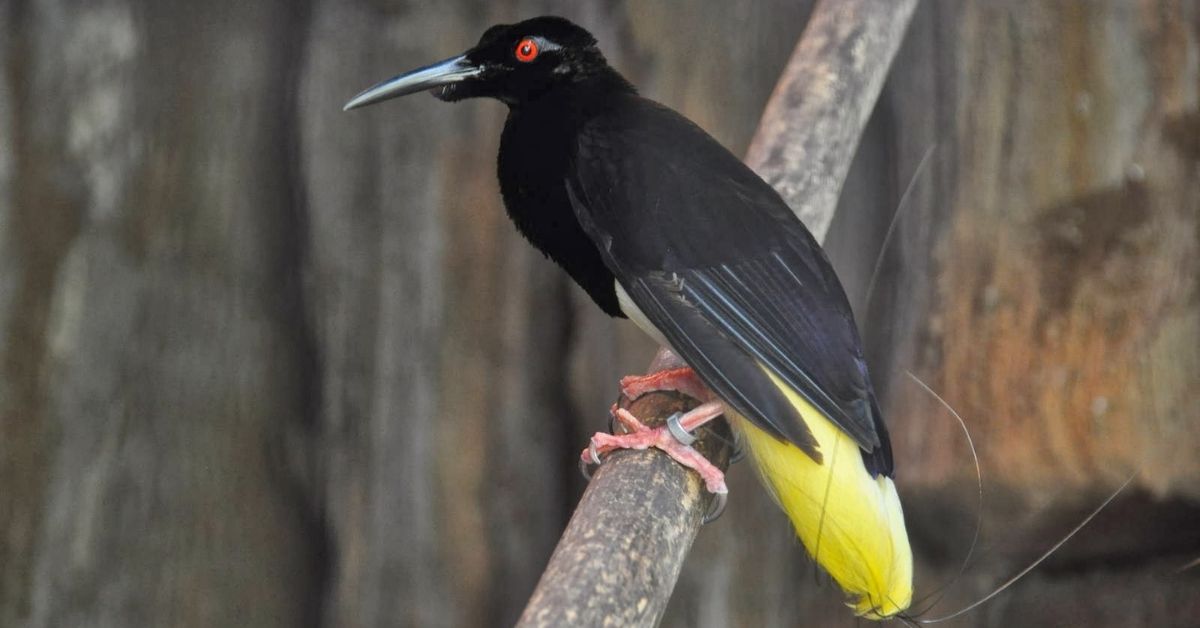
The twelve wired bird of paradise is one of nature’s most extraordinary species. This striking bird is famous for its plumage, shimmering with bold contrasts of black and yellow across its body. What makes it stand out are the twelve long wires extending from its tail. These feathers are not ordinary plumes; they are stiff, elongated, and curve forward from the rear, giving the male a unique look unlike any other member of the paradise family. Females, on the other hand, have plainer plumage, showing clear sexual dimorphism that allows easy distinction between the sexes.
This passerine species belongs to the genus Paradisea, one of the most fascinating taxa in the world of ornithology. The morphology of the male includes not just brilliant coloring and ornamentation but also a modified syrinx, enabling loud calling that complements visual displays. Compared with other birds of paradise, the twelve wired type shows a rare balance between ornamental feathers and agile movement, making it a standout example of evolutionary creativity in the tropical rainforest.
Habitat and Distribution
You’ll find the twelve wired birds of paradise only in New Guinea and nearby islands, which makes it an endemic treasure of the region. Its habitat mainly includes lowland rainforests, swampy edges, and canopy territories close to rivers. The dense forest cover, combined with tropical humidity, creates the perfect environment for these birds to thrive. Within these regions, the species prefers upright trees and open display sites where males can perform their spectacular dances without obstruction.
The ecology of southern and central Papua provides an ideal balance of resources such as fruit, nectar, and insects for a frugivorous yet flexible diet. Because the bird is so tied to its endemicity, any changes in wildlife patterns or conservation efforts have direct effects on its population. The species isn’t known for wide migration, so its entire survival depends heavily on the health of these tropical forests.
Diet and Feeding Habits
The feeding behavior of the twelve wired bird of paradise reflects its role as both a frugivorous and insect-eating species. In the canopy, the male hops gracefully between branches in search of ripe fruit or flowering plants that produce rich nectar. Down on the terrestrial floor, both males and females forage for insects, providing the protein necessary for breeding and survival. This balanced diet supports not just their own health but the greater ecology of the rainforest, since their feeding helps with seed dispersal and pollination.
Scientists studying the biology of this animal note that its behavior changes depending on season and resource availability. During breeding periods, males spend more time displaying and less time feeding, while females focus on nutrition to prepare for raising chicks. The species shows fascinating adaptation in switching between fruit, nectar, and insects depending on what the environment offers at different times of the year.
Mating Rituals and Courtship Dance
Perhaps the most captivating aspect of the twelve wired birds of paradise is its elaborate courtship. The male clears a special display perch in the forest, often near the canopy, where he performs a highly choreographed dance. With plumes raised and wires moving in deliberate sweeps, he strokes the female’s face and body, creating a sensory show of touch, sound, and sight. His behavior combines agile movements with bursts of loud calling, a powerful performance made possible by his specialized syrinx.
The female, usually perched upright, studies every detail of this ritual before making her choice. She looks at the plumage, the vigor of the dance, the clarity of the calls, and the shine of the elongated feathers. This careful selection demonstrates sexual dimorphism and evolutionary forces at play, ensuring only the fittest males pass on their genes. Such mating displays, unique to this species, continue to fascinate ornithology researchers worldwide.
Also Read This: Largest Birds in Wyoming
Role of the Twelve Wires
The long, slender wires aren’t just decorative. They play an active role in mating displays, brushing across the female’s head and body during the dance. This tactile sensation, combined with visual brilliance, creates a multisensory experience that sets the twelve wired birds of paradise apart from other species of paradise. Each wire works like a performer’s prop, and its condition signals health and genetic fitness.
From a scientific and evolutionary point of view, these elongated feathers highlight the power of sexual selection. Over time, females rewarded males with the most impressive ornamentation, reinforcing the survival of these distinctive traits. This process reflects broader principles of evolution and biology, where beauty and survival are intertwined in fascinating ways.
Conservation Status
Although still present in parts of New Guinea and nearby islands, the twelve wired bird of paradise faces threats from habitat destruction. Logging, hunting, and deforestation reduce available forest cover and shrink population numbers. The species depends heavily on lowland rainforest areas, so any decline in these tropical zones has a direct impact on their survival.
International conservation organizations and local efforts in Papua are working to protect the wildlife of the region. Maintaining habitat health not only saves the twelve wired bird of paradise but also safeguards countless other vertebrates and insects in the same environment. By promoting sustainable forestry and educating communities, scientists hope to prevent further decline of this iconic species.
Cultural Significance
For communities in New Guinea, this bird carries immense symbolic value. Its vivid plumage and extraordinary wires have long been admired in local traditions, sometimes used in ceremonial dress or storytelling. In many villages, the twelve wired birds of paradise are a reminder of the forest’s richness and the wildlife that shares their home.
Beyond local culture, the bird has gained global attention as a symbol of tropical beauty and endemicity. In scientific circles, it stands as an example of ornamentation and adaptation, while in art and photography, it continues to inspire wonder. Its reputation as one of the most unique species in the avian world makes it an ambassador for conservation and ecological respect.
How Do Males Attract Mates?
When it comes to attracting females, the male performs with unmatched energy. He positions himself upright on a chosen perch, often in the canopy of a tropical forest, and begins his dance. With plumes flared and wires brushing gracefully against the watching female, he combines sound, movement, and visual brilliance in one unforgettable display. His loud calling echoes through the trees, and his every move is designed to hold attention.
The female’s response is just as crucial. She observes closely, weighing the quality of the feathers, the strength of the dance, and the intensity of the calls before making a decision. This intricate behavior reveals the complexity of reproduction in this species, showing how deeply sexual selection shapes the life of the twelve wired birds of paradise.
FAQs
What are the wires for in the 12 wired Bird of Paradise?
The wires are special tail feathers that males use during courtship dances to touch and impress females.
What is the lifespan of a 12 wired Bird of Paradise?
In the wild, the twelve wired birds of paradise can live around 5 to 8 years, depending on its environment and threats.
What is unique about how the twelve-wired bird looks?
It has shiny black and yellow plumage and twelve long, stiff wires that curve forward from its tail, giving it a striking appearance.
Conclusion
The twelve wired bird of paradise is a true wonder of the rainforest. This special species shows bright plumage, long feathers, and amazing courtship dance. The male uses his twelve wires to impress the female with a unique display. People see the twelve wired birds of paradise as a rare bird that reflects beauty, evolution, and nature. Protecting its habitat in New Guinea is key for its future.
The world must care for the twelve wired birds of paradise. Strong conservation can save its forest environment and keep its numbers safe. The twelve wired birds of paradise are more than a bird. It is part of culture, biology, and wildlife. Saving the twelve wired birds of paradise means saving a symbol of tropical life.

Spiritual Vora shares deep insights on dreams, angel numbers, spiritual meanings, and inner healing. Our mission is to guide souls toward clarity, growth, and divine connection through uplifting and enlightening content.